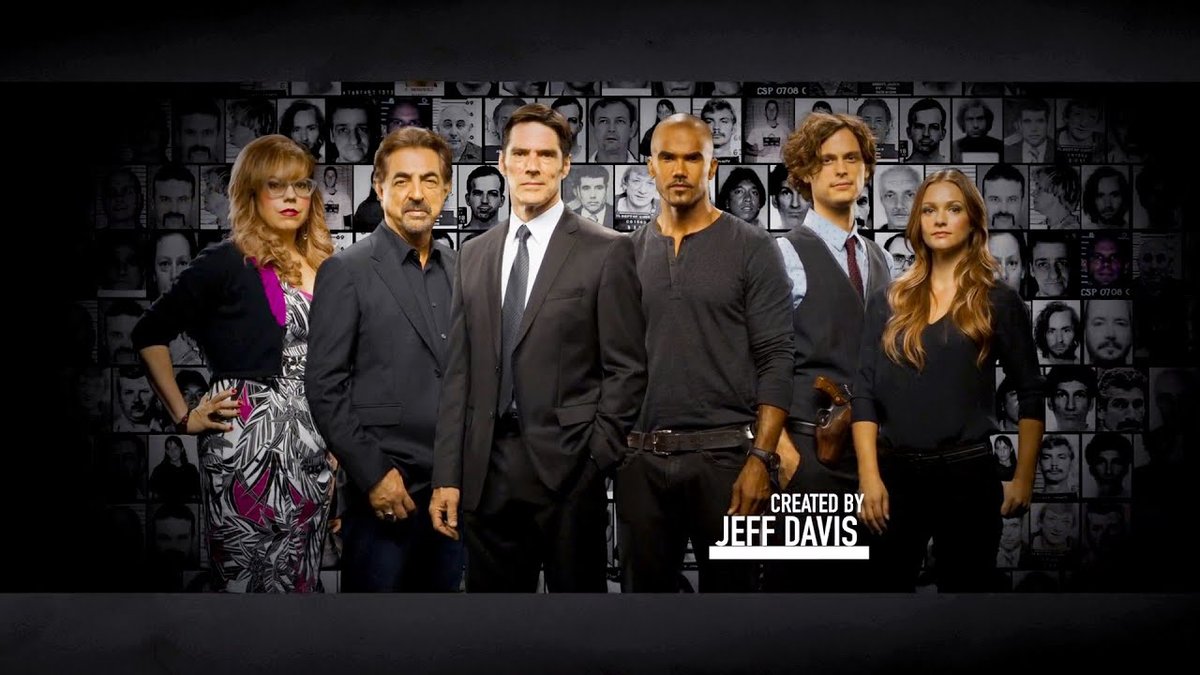
When a long-running procedural drama like Criminal Minds hits its third season, it often finds its stride, solidifying its identity while still pushing boundaries. For fans and critics alike, Reviews, Ratings & Fan Reception of Criminal Minds Season 3 offer a fascinating look at a pivotal moment for the BAU team, marked by significant cast changes and some truly unforgettable, and occasionally divisive, storylines. This season wasn't just another batch of cases; it was a testament to the show's evolving character dynamics and its enduring appeal.
Season 3: At a Glance
- Pivotal Transition: Marked by the departure of Mandy Patinkin (Jason Gideon) and the arrival of Joe Mantegna (David Rossi), fundamentally altering the team's dynamic.
- Mixed Bag of Episodes: While many episodes earned "favorite" status among dedicated fans for their psychological depth and character moments, others were deemed "meh" or less impactful.
- Strong Character Development: Prentiss, Garcia, and the nuanced portrayal of relationships (like Rossi and Hotch's dynamic) garnered praise.
- Tackling Tough Topics: Explored themes beyond typical serial killer cases, delving into complex trauma, emotional abuse, and societal issues, often sparking empathy or debate.
- Enduring Fan Favorite: Despite some less-loved episodes, many consider Season 3 one of the series' strongest overall, showcasing the show's unique blend of suspense and character heart.
A Pivotal Season: Setting the Stage for Change
Criminal Minds, for the uninitiated, plunges viewers into the intense world of the FBI's Behavioral Analysis Unit (BAU), where an elite team of psychological profilers hunts down the nation's most dangerous criminals. Created by Jeff Davis, the show quickly carved out a niche with its dark, character-driven approach to crime. While the series faced a cancellation by CBS in 2020, it gloriously returned in 2022 on Paramount+ with the subtitle Evolution, proving its lasting cultural impact. Season 3, however, was a critical juncture, navigating the treacherous waters of cast changes and evolving narrative ambition.
Critical Reception: A Glimpse from the Pros
When it comes to official critical ratings for individual seasons of a long-running procedural, specific scores can sometimes be elusive. While Metacritic offers an overall "mixed or average reviews" aggregate for Criminal Minds as a series (a score of 42), a dedicated season-by-season breakdown from professional critics is less common. This often means that the true pulse of a season's success lies more in the ongoing dialogue between the showrunners, the cast, and, most importantly, the dedicated fanbase. For Criminal Minds Season 3, the audience's voice speaks volumes.
Fan Reception: The Pulse of the Criminal Minds Fandom
If you want to understand the true impact of Criminal Minds Season 3, you need to turn to the viewers who lived and breathed every episode. Fan reception for this season, as captured in various online discussions, reveals a deeply invested community with strong opinions, a testament to the show's ability to forge a connection with its audience. From character arcs to episode themes, the fandom's dissection provides a rich tapestry of likes, dislikes, and lasting impressions.
The Rossi Factor: A New Dynamic
Perhaps the most significant element influencing Season 3's reception was the departure of original team leader Jason Gideon (Mandy Patinkin) and the introduction of David Rossi (Joe Mantegna). Gideon's sudden exit left a void, and Rossi, an FBI legend who came out of retirement, had big shoes to fill. Fans initially approached Rossi with a mix of curiosity and skepticism. His no-nonsense demeanor and unique approach to profiling, often clashing with Hotch's leadership style, added a fresh, albeit sometimes jarring, dynamic to the BAU. Over time, however, Rossi began to integrate, his gruff exterior slowly revealing a deeply empathetic and intelligent profiler who became an indispensable part of the team. His presence allowed for new character interactions and storylines, expanding the team's professional and personal narratives.
Episode Highlights & Lowlights: A Deep Dive into Fan Favorites
A dedicated fan's detailed review on Reddit for Season 3 offers an excellent microcosm of general fan sentiment, identifying clear favorites and less impactful episodes. This season, surprisingly, saw a strong showing of "faves," with roughly half of its 20 episodes earning top marks from this particular viewer, indicating its overall strength despite transitional challenges.
Among the Standouts:
- "In Name and Blood": Praised for showcasing Prentiss's "badassery" and her refusal to engage in political games with Strauss. This episode highlighted her strength and independence, solidifying her place as a fan favorite.
- "Scared to Death": Consistently cited as a powerful episode. The concept of an unsub killing victims based on their greatest fears was both "terrifying and genius." The lighthearted relief of Derek Morgan and Spencer Reid being stuck in an elevator provided a memorable moment of humor amidst the darkness.
- "Children of the Dark": Another episode that resonated deeply, particularly for the impactful acting of the child at the end, powerfully depicting trauma.
- "Seven Seconds": Fans appreciated episodes that ventured beyond typical serial killer plots, showcasing the BAU's diverse profiling skills. This episode, dealing with a missing child and the complex emotions surrounding abuse, was a prime example of the team investigating different kinds of cases.
- "Penelope": A major fan favorite and often considered one of Garcia's defining episodes. Her vulnerability and strength after being targeted by an unsub resonated strongly. The line, "I don't believe in gun," followed by "well trust me they are very real," is often quoted for its dark humor and impact.
- "True Knight": Described as "heartbreaking," this episode explored themes of horrific trauma and psychotic breaks. It also delivered another iconic, humorous line from Morgan to Reid: "Don't make me smack you in front of all these people."
- "Birthright": Simply an "absolute fave" for many, demonstrating that some episodes just hit the right note without needing a complex reason.
- "Limelight": Appreciated for its strong chronological narrative, effectively following the unsub's progression.
- "Damaged": While dealing with a sympathetic unsub, the episode highlighted the tragic consequences for the traumatized victims. It resonated with fans who recalled its original airing, grappling with the moral complexities presented.
- "Elephant's Memory": A "heartbreaking episode" that shed light on toxic high school environments and their devastating impact on young men. It sparked discussions about accountability, placing blame on systemic issues rather than just the unsub.
- "In Heat": Initially disliked by some, this episode's reception evolved over time. With a greater understanding of the "immense harm faced by the LGBTQ2S community," fans empathized more with the unsub's struggle for identity due to his father's shame. This shift in perspective showcases the show's ability to spark relevant social discourse.
- "The Crossing": While the stalker main plot received a "meh," the subplot involving Rossi and Hotch was lauded for its accurate and powerful portrayal of emotional, verbal, and mental domestic violence, demonstrating that abuse isn't always physical.
The "Meh" Episodes: Where Fan Interest Waned:
Not every episode hit the mark, and fans were quick to identify those that felt less engaging: - "Doubt," "Identity," "Third Life," "A Higher Power," "Tabula Rosa": These were generally considered "meh" or "alright, but not a fave," suggesting they lacked the deeper impact or memorable moments of their counterparts.
- "Lucky": While not a favorite, it did provide a darkly humorous line about Tracy Lambert being "inside everyone" to a priest.
- "About Face": Aside from it being the episode where Rossi officially joins the team, this one didn't resonate strongly with the fan reviewer.
- "Lo-Fi": Described as "among my least liked 2-parters," indicating that some multi-part episodes didn't always maintain engagement.
Memorable Moments & Quotes
Beyond entire plots, Criminal Minds excels at crafting lines and small character interactions that stick with viewers. Season 3 provided several:
- Garcia's poignant but ultimately humorous exchange about "guns" in "Penelope."
- Morgan's brotherly warning to Reid in "True Knight": "Don't make me smack you in front of all these people."
- The raw portrayal of emotional domestic violence through Hotch and Rossi's side plot in "The Crossing."
- Derek and Reid's hilarious predicament in the elevator during "Scared to Death."
These moments are not just filler; they are the connective tissue that builds the show's beloved characters and its unique blend of intensity and heart.
Themes That Resonated (and Those That Didn't)
Season 3 demonstrated Criminal Minds' willingness to explore a broad spectrum of human behavior and societal issues. The positive reception for episodes that delved into non-homicide cases ("Seven Seconds"), complex psychological trauma ("True Knight," "Children of the Dark"), and nuanced social commentary on LGBTQ2S issues ("In Heat") or domestic violence ("The Crossing") highlights the fans' appreciation for depth beyond the typical "unsub of the week" formula. The nuanced exploration of how shame, fear, and systemic failures can shape individuals into perpetrators or victims particularly resonated.
Conversely, episodes that felt more generic, lacked strong character focus, or perhaps didn't push the psychological envelope as much, tended to fall into the "meh" category. The balance between compelling case, character development, and thematic depth was crucial for fan engagement.
Overall Fan Sentiment for Season 3
Despite its transitional nature and a few less-loved episodes, the overarching fan sentiment for Season 3 is overwhelmingly positive. As one dedicated reviewer concluded, "10/20 made it to the top faves, but season 3 is one of my favourite seasons, so that's no surprise." This encapsulates the season's ability to deliver consistent quality and memorable moments, solidifying its place as a cherished chapter in the Criminal Minds saga.
Addressing Common Fan Debates & Questions
Was Season 3 a Difficult Transition?
Absolutely. The departure of an original, beloved character like Gideon could have derailed the show. However, the introduction of Rossi, while initially met with some apprehension, ultimately enriched the team. Fans appreciated that the show didn't try to replace Gideon directly but instead introduced a character with his own history and perspective, allowing for new dynamics to emerge.
Did the Quality Suffer with Cast Changes?
From a fan perspective, not significantly. While there might have been a slight adjustment period, the strong character writing, compelling cases, and the existing chemistry of the remaining cast (Hotch, Morgan, Reid, Prentiss, JJ, Garcia) carried the season. Many argue that Season 3 managed to evolve rather than falter, proving the show's resilience.
What Made This Season Stand Out Psychologically?
Season 3 delved deeper into the root causes of criminal behavior, often portraying unsubs with complex, tragic backstories. Episodes like "True Knight," "Elephant's Memory," and "In Heat" pushed beyond simple good-vs-evil narratives, forcing viewers to confront the societal factors and personal traumas that contribute to extreme actions. This psychological nuance is a hallmark of the show and was particularly strong in Season 3.
Why Season 3 Still Matters to Fans Today
Even years later, Criminal Minds Season 3 remains a touchstone for many dedicated viewers. It's a season that dared to change, to challenge its characters, and to explore darker, more complex psychological territory. It cemented the show's ability to balance procedural intensity with profound character development, proving that the BAU could endure, adapt, and continue to captivate.
The discussions and passionate reviews from fans underscore that Criminal Minds is more than just a crime show; it's a series that resonates on a deeper level, sparking conversations about human nature, trauma, and the pursuit of justice. It's a testament to the show's lasting quality that its third season continues to hold such a significant place in the hearts of its audience.
Your Turn: Revisiting Criminal Minds Season 3
If these insights have sparked your interest or nostalgia, there's no better time to revisit this pivotal period in the BAU's history. Whether you're a long-time fan or new to the world of psychological profiling, diving into these episodes offers a chance to appreciate the show's evolution, its standout performances, and its enduring ability to craft compelling narratives.
You can delve into the intricate cases and character arcs of this compelling season. Experience the shift in team dynamics, relive those memorable lines, and perhaps even discover new favorites among the episodes lauded by fans. Explore Criminal Minds Season 3 and see for yourself why it continues to be a fan-favorite. Which episodes will make it onto your "faves" list?