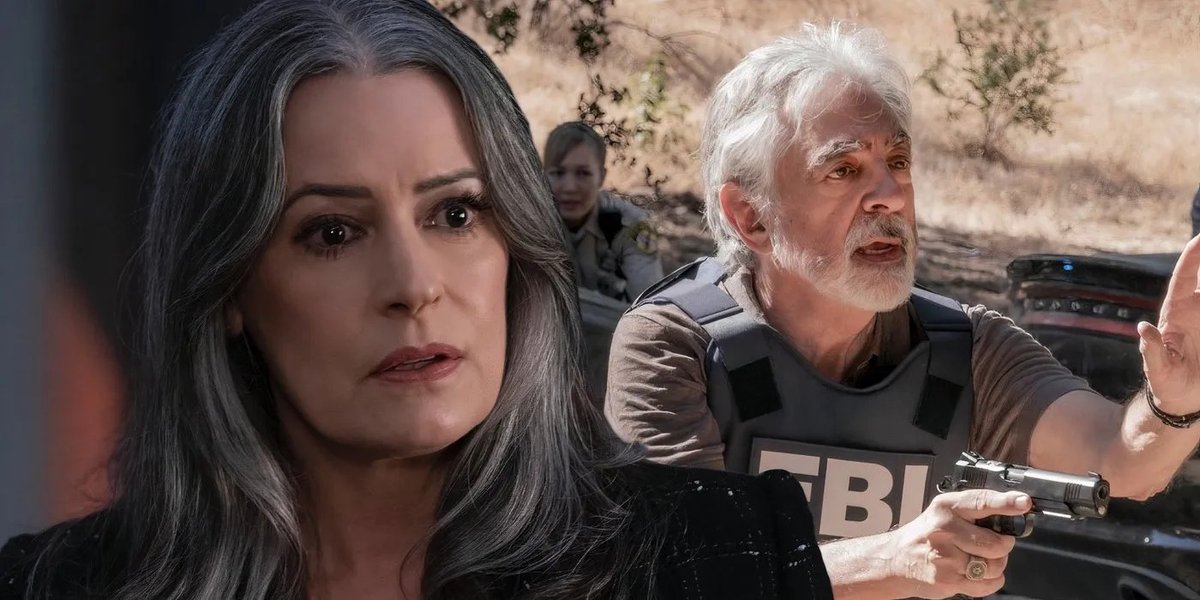
Season 3 of Criminal Minds remains a pivotal, often discussed, chapter in the show's long history, largely due to a seismic shift in its Criminal Minds Season 3 Cast, Characters & Performances. This wasn't just another season; it was a testament to the resilience of a show finding its footing amidst significant change, anchored by a cast that truly owned their evolving roles. You're about to delve into how the ensemble navigated departures, embraced new blood, and delivered some of the series' most memorable, and often heart-wrenching, portrayals.
At a Glance: Season 3's Cast & Character Shifts
- Major Departure: Mandy Patinkin (Jason Gideon) exited early in the season, leaving a profound void.
- Key Arrival: Joe Mantegna joined as David Rossi, bringing a new, seasoned dynamic to the BAU.
- Intensified Arcs: Characters like Hotchner, Reid, and Garcia faced deeply personal and traumatic storylines.
- Ensemble Strength: The remaining cast stepped up, showcasing remarkable chemistry and individual growth.
- Performance Depth: Actors delivered nuanced portrayals of grief, trauma, and leadership under immense pressure.
A Shifting Landscape: The BAU Finds Its New Rhythm
Imagine a finely tuned orchestra suddenly losing its first chair violinist. That's a bit what it felt like when Mandy Patinkin's Jason Gideon abruptly departed just two episodes into Season 3. Gideon was the moral compass, the elder statesman whose profound insights often guided the team through their darkest cases. His absence wasn't merely a plot point; it was a gaping wound, felt by both the characters and the audience.
This unexpected pivot forced the writers, and more importantly, the actors, to re-evaluate the team's dynamic. How do you recover from such a loss, both emotionally and structurally? The answer lay in the strength of the existing ensemble and the introduction of a character who could, eventually, fill a similar, albeit different, wisdom-filled role. The void left by Gideon's departure allowed others to step up, to shoulder more emotional weight, and to further define their individual places within the BAU's intricate tapestry.
The Core Profilers: Unpacking the Ensemble's Strength
Season 3 truly solidified the core relationships and showcased the depth of each actor's commitment to their character. While the cases were as chilling as ever, it was the personal journeys of the BAU members that often resonated most profoundly.
Joe Mantegna as David Rossi: The Prodigal Son Returns
The introduction of David Rossi was nothing short of brilliant crisis management. As a co-founder of the BAU, Rossi wasn't just a replacement for Gideon; he was an ancestral figure returning to his roots. Joe Mantegna, a veteran actor with a gravitas that commanded attention, brought an immediate sense of authority and weary wisdom to the role.
Mantegna's performance was a masterclass in subtlety. Rossi could be charmingly old-school, a bit curmudgeonly, yet deeply compassionate. He wasn't trying to be Gideon; he was carving out his own space as a legend who had retired from the BAU only to be drawn back in. His initial struggle to reintegrate, his idiosyncratic methods, and his eventual bonding with the team felt authentic. Mantegna gave us a character who was world-weary but not cynical, a man haunted by past cases yet driven by an unwavering sense of justice. He grounded the team, offering a different kind of mentorship, one perhaps more rooted in practicality than Gideon's philosophical musings.
Thomas Gibson as Aaron Hotchner: The Burden of Leadership
Aaron Hotchner's character arc in Season 3 was defined by an escalating sense of personal sacrifice and growing internal conflict. As unit chief, Hotch was always the stoic leader, but this season saw him increasingly isolated by the demands of his job. The stress of the cases, combined with the lingering aftermath of his past trauma (from the "Reid trauma" storyline in Season 2), began to take a visible toll on his marriage to Haley and his relationship with Jack.
Thomas Gibson delivered a performance of quiet intensity. His Hotch often communicated more through his eyes and controlled gestures than through dialogue. You could feel the weight of every decision, every victim's story, pressing down on him. Gibson meticulously portrayed a man slowly being consumed by his work, making the eventual unraveling of his family life feel not just inevitable, but tragic. It was a testament to Gibson's skill that he could convey so much emotional turmoil beneath such a calm, controlled exterior, hinting at the profound struggles to come.
Paget Brewster as Emily Prentiss: Earning Her Stripes
Having joined the team in Season 2 as a reluctant, somewhat mysterious addition, Season 3 was where Emily Prentiss truly solidified her place. Her initial guardedness began to melt, revealing a sharp wit, fierce loyalty, and a deep well of empathy. We saw her confront her past, particularly through the episode "In Heat," and demonstrate her unwavering commitment to the team, even when it meant defying authority.
Paget Brewster's portrayal of Prentiss continued to evolve beautifully. She brought a sophisticated intelligence and a dry sense of humor that often cut through the tension. Brewster skillfully balanced Prentiss's internal strength with moments of vulnerability, showcasing a character who was independent and capable but also deeply invested in her teammates. Her performance in episodes dealing with her family history cemented Prentiss as a formidable, yet deeply human, member of the BAU.
Shemar Moore as Derek Morgan: The Emotional Anchor
Derek Morgan, with his background in street work and his undeniable physicality, often served as the team's muscle, but Season 3 highlighted his role as an emotional anchor. His protective instincts were on full display, especially with Garcia, and he continued to be a voice of reason and strength. We saw more of his personal life, including his struggles with family dynamics, adding layers to his character.
Shemar Moore infused Morgan with his signature blend of swagger and sensitivity. His performance was dynamic, moving effortlessly between tough interrogations and tender, supportive moments with his colleagues. Moore made Morgan feel incredibly real – a man who could be charming and confident, yet also deeply affected by the horrors he witnessed. His steadfast loyalty and growing emotional maturity were pivotal in maintaining the team's cohesion, particularly during tumultuous times.
Matthew Gray Gubler as Dr. Spencer Reid: The Intellectual Evolving
Dr. Spencer Reid continued his journey of healing and growth in Season 3, still grappling with the trauma of his kidnapping by Tobias Hankel. While still exceptionally intelligent and socially awkward, this season saw him begin to process his experiences, slowly moving from victim to survivor. He displayed more confidence in the field and began to articulate his emotions more openly.
Matthew Gray Gubler's portrayal of Reid remained a standout. He continued to convey Reid's genius with rapid-fire dialogue and intricate explanations, but he also subtly weaved in the lingering effects of his trauma. Gubler brought a delicate balance to Reid, showing his vulnerability without diminishing his brilliance. His performance often provided moments of poignant introspection and, occasionally, unexpected courage. The nuances in Gubler's acting allowed Reid to evolve from a purely intellectual character into one with significant emotional depth.
A.J. Cook as Jennifer "JJ" Jareau: The Communicator's Compassion
JJ, as the team's media liaison, often operated on the periphery of the profiling, but her role was critical in managing the public face of the BAU and interacting with victims' families. Season 3 explored more of her personal life, including her relationship with Detective William LaMontagne Jr., and her growing desire for a family.
A.J. Cook portrayed JJ with her characteristic warmth and empathy. Her performance emphasized JJ's compassionate nature and her incredible skill in navigating difficult conversations, whether with grieving relatives or demanding media. Cook showed JJ as the team's heart, a steadying presence who could bring a human touch to the often clinical world of criminal profiling. Her emotional journey this season, particularly surrounding her personal choices, added significant depth to a character often defined by her professional role.
Kirsten Vangsness as Penelope Garcia: The Heart of the BAU
Penelope Garcia, the quirky, colorful technical analyst, faced her most harrowing personal challenge in Season 3. The episode "Penelope" saw her become a victim herself, bringing her into the terrifying world of the unsubs she usually only saw on a screen. This event profoundly affected her, challenging her optimistic outlook.
Kirsten Vangsness's performance in Season 3 was exceptional, particularly in "Penelope." She perfectly captured Garcia's bubbly personality while also showing the raw fear and trauma of a survivor. Vangsness's ability to transition from lighthearted banter to profound emotional distress was remarkable. This season underscored Garcia's vital role not just as a technical genius, but as the emotional heartbeat of the BAU, a character who reminds everyone of the humanity they are fighting for. You can see how these character developments are integral to major storylines from Criminal Minds Season 3.
Navigating the Uncharted: Key Character Arcs & Performance Highlights
Season 3 was a crucible for many characters, forcing them into uncomfortable, often terrifying, territory. The performances were key in making these intense storylines resonate.
One of the season's defining arcs was Rossi's integration. Mantegna's portrayal of Rossi as an old-school profiler clashing with modern BAU methods provided natural tension, but his underlying respect for the team eventually shone through. His quiet observations, often delivered with a slight smirk, showed a man learning to connect again.
Hotch's storyline saw him increasingly isolated, with Gibson masterfully displaying the cumulative toll of his work. His strained interactions with Haley and his quiet desperation to maintain some semblance of family life were heartbreaking to watch. These intense personal challenges meant the audience was always aware of the high stakes, not just for the victims, but for the profilers themselves.
The emotional core of the season also deeply involved Penelope Garcia. Her shooting, and the subsequent recovery, was a brutal and immediate personal threat. Vangsness's portrayal of Garcia's fear and resilience was a powerful reminder that even the most outwardly cheerful characters could be deeply scarred. It highlighted the ever-present danger the BAU faced, even when not in the field. Understanding these character depths helps you fully appreciate exploring the darker themes that defined Season 3.
The Ensemble Dynamic: A Symphony of Synergy
With Gideon's departure and Rossi's arrival, the ensemble dynamic underwent a significant shift. The team had to re-establish its rhythm, and the actors' chemistry was paramount in making this transition believable.
The existing members – Hotch, Morgan, Prentiss, Reid, JJ, and Garcia – had already formed a tight-knit unit. Their shared history and unspoken understanding were crucial during this period of adjustment. The writers leaned into these established relationships, allowing them to carry the emotional weight while Rossi found his place. For instance, Morgan's protective instincts towards Garcia became even more pronounced, offering a sense of stability.
Mantegna's skill as an ensemble player was evident. He didn't try to dominate; instead, he subtly integrated Rossi into the existing dynamic, creating friction where necessary for dramatic effect, but always with an underlying respect for the team. The eventual acceptance of Rossi felt earned, not forced, a testament to the actors' ability to play off each other authentically. This re-calibration of the team dynamic is a major reason why many fans still discuss critical reception and fan reactions to Criminal Minds Season 3 to this day.
Performance Under Pressure: Challenges and Triumphs
Any television show facing a sudden cast departure, especially of a lead character, faces immense pressure. Criminal Minds Season 3 tackled this head-on, and the success of the season largely rested on the shoulders of its cast.
The challenge wasn't just to "replace" Gideon, but to re-center the show. Each actor had to expand their character's emotional range and assume new responsibilities within the group. Gibson, as Hotch, had to display even more leadership under stress. Brewster, as Prentiss, became more central to the team's profiling efforts. Moore provided a stronger emotional backbone. Gubler allowed Reid to shed some of his earlier naivete. Cook continued to ground the human element, and Vangsness gave Garcia a newfound vulnerability.
The triumph of Season 3 lay in how the actors collectively rose to this challenge. They didn't just perform their individual roles; they functioned as a cohesive unit, demonstrating a profound understanding of their characters' places within the larger narrative. This collective effort ensured that even amidst significant change, the heart of the BAU remained intact. To truly appreciate the effort, it's worth seeking out behind-the-scenes insights into Criminal Minds Season 3.
Beyond the Main Seven: The Unsung Heroes
While the core seven characters dominate the screen, Criminal Minds has always benefited from a strong supporting cast and memorable guest stars. Season 3 continued this tradition, often featuring actors who could convey complex emotions in limited screen time, crucial for the "unsub" of the week format.
From the chilling portrayals of serial killers to the heartbreaking performances of victims and their families, these smaller roles often amplified the main cast's efforts. The quality of these performances contributed significantly to the overall unsettling atmosphere and emotional impact of each episode, making the threats feel tangible and the stakes profoundly personal for the BAU.
Why Season 3's Cast & Performances Still Resonate
Even years later, Criminal Minds Season 3 holds a special place for many viewers. It's a season that dared to change, to adapt, and ultimately, to redefine itself without losing its essence. The cast, through their compelling and deeply human performances, ensured that the show not only survived its early challenges but emerged stronger and more emotionally resonant.
The character arcs introduced in Season 3—Hotch's escalating personal sacrifice, Rossi's thoughtful integration, Garcia's profound trauma—laid foundational groundwork that would reverberate through many subsequent seasons. It was a season where the actors pushed their characters into new, uncomfortable territory, resulting in some of the most powerful and enduring portrayals in the series' history. The collective strength and individual brilliance of the ensemble solidified their places as iconic figures in television crime drama.
Moving Forward: The Lasting Impact
Reflecting on the Criminal Minds Season 3 Cast, Characters & Performances isn't just a trip down memory lane; it's an appreciation of how a team, both fictional and real, navigated significant upheaval with grace and grit. The lessons learned, the bonds forged, and the personal battles fought by the BAU in Season 3 continued to shape the series for years to come.
If you're looking to revisit a pivotal moment in the show's evolution or understand the depth of its character development, Season 3 offers a masterclass. Each performance contributed to a tapestry of resilience, making it essential viewing for any fan. For a complete understanding of this crucial period, be sure to Explore Criminal Minds Season 3 fully, including delving into the full Season 3 episode guide to relive these unforgettable moments.