It’s a chilling reminder that even the most compelling fiction can have a profound impact, not just on its audience, but on those who bring it to life. Criminal Minds captivated millions with its dark, intricate delves into the psyches of serial killers, and Season 3 was a particularly pivotal, dramatic turn for the Behavioral Analysis Unit (BAU) on CBS. Beyond the weekly hunt for unsubs, a fascinating, often turbulent, world buzzed behind the scenes. If you've ever wondered about the real stories, the personal tolls, and the surprising quirks that shaped this iconic season, you're in the right place. Dive into the most compelling Behind-the-Scenes Facts & Trivia for Criminal Minds Season 3 to truly understand the human drama underpinning the criminal one.
At a Glance: Key Behind-the-Scenes Insights from Criminal Minds Season 3
- A Profound Departure: Season 3 saw the abrupt exit of a foundational character, driven by an actor's deeply personal struggle with the show's intense content.
- The Weight of the Job: The dark subject matter had a real psychological impact on the cast and crew, leading to unique coping mechanisms.
- Real-Life Injuries & Quirks: Sometimes, actors' real-world experiences, from injuries to personal habits, found their way into the storyline or character details.
- Unscripted Connections: Some of the most beloved on-screen relationships bloomed from genuine off-screen friendships and humor.
- Production Realities: The FBI's BAU operates differently than portrayed, and showrunners had to navigate network demands and creative visions.
The Shifting Sands of the BAU: Cast Departures and Their Echoes
Season 3 of Criminal Minds wasn't just another season; it was a watershed moment, marked by a significant cast departure that sent ripples through the series. The weight of the show's dark subject matter began to manifest in real ways for its stars, fundamentally altering the team dynamic and the show's future trajectory.
Gideon's Exit: A Soul-Searching Decision
The most impactful behind-the-scenes event leading into and during Season 3 was undoubtedly the departure of Mandy Patinkin, who brilliantly portrayed Jason Gideon, the BAU's most experienced and empathetic profiler. On-screen, Gideon retreated from the unit after experiencing traumatic events, including the murder of his girlfriend by a serial killer. The emotional toll was clear, leading him to leave a note for Dr. Reid and vanish.
Off-screen, Patinkin's reasons were far more profound and personal. He later described his decision to join Criminal Minds as his "biggest public mistake," citing the show's content—particularly the weekly depiction of harm to women—as "destructive" to his soul and personality. He found the constant exposure to such dark themes profoundly disturbing, stating he felt the show had a negative effect on both himself and its audiences. This wasn't merely a disagreement over creative direction; it was a deeply felt ethical and personal objection to the very nature of the series. His departure forced the showrunners to quickly pivot, introducing David Rossi (Joe Mantegna) to fill the void, setting a new course for the BAU.
Navigating On-Set Dynamics: Early Tensions
While Patinkin's departure was dramatic, the ground truth reveals that working relationships weren't always smooth sailing even before his exit. Thomas Gibson, who played the stoic Aaron Hotchner from the show's inception, reportedly found Patinkin "a little hard to work with" during the show's early days. This tidbit offers a glimpse into the complex human dynamics that can unfold on any demanding set, especially one grappling with such heavy material. It underscores that the intense pressure of portraying grim realities often translates into intense personal and professional interactions.
The show, of course, would later see other significant cast changes, though none quite as impactful on the early seasons as Patinkin's. For instance, Lola Glaudini, who played Elle Greenaway, left in Season 2 after her character committed murder, her real-life reason being a desire to return to her hometown of New York City, as she was unhappy in Los Angeles. While this preceded Season 3, it highlights an ongoing trend of actors needing to balance the demands of the show with their personal well-being and life choices.
The Human Element: Real-Life Touches and Trials for the Cast
Beyond the grim cases, the cast of Criminal Minds brought their own lives, quirks, and even injuries into the fabric of the show. These personal touches often added layers of authenticity or intriguing coincidences that fans might never have guessed.
Dr. Reid's Limp: An Unscripted Reality
One of the most notable instances of real life influencing the script involved Matthew Gray Gubler, who portrayed the brilliant but socially awkward Dr. Spencer Reid. In 2009, while filming * (500) Days of Summer*, Gubler suffered a severe knee injury during a dance-off. This accident led to three surgeries and left him unable to walk for four months.
Rather than trying to hide it, the Criminal Minds writers ingeniously incorporated Gubler's injury into the storyline. In Season 5, Reid was shot in the leg, providing a canon explanation for his limp and later recovery, seamlessly blending the actor's reality into his character's journey. This move not only showcased the production team's flexibility but also added a layer of vulnerability and realism to Reid, a character already beloved for his unique qualities.
Quirks and Kindred Spirits: Connecting Actors to Characters
Sometimes, the lines between actor and character blur in delightful ways. Matthew Gray Gubler, for instance, shares a peculiar superstition with his on-screen counterpart. Both Gubler and Dr. Spencer Reid prefer to wear mismatched socks, with Reid believing that something strange happens when he wears matching ones. It's a small, charming detail that reflects a deeper alignment between Gubler's eccentricities and the character he brought to life.
Similarly, A.J. Cook, who played Jennifer "JJ" Jareau, saw her real-life family integrated into the show. Her actual sons had recurring roles as JJ's sons on the series, adding an undeniable authenticity to the family dynamics portrayed on screen. These personal connections helped ground the often fantastical and disturbing world of the BAU in genuine human relationships.
A Name, a Photo, and a Hometown's Pride
When Joe Mantegna joined the cast as David Rossi in Season 3, his character quickly became an anchor. Mantegna himself brought a personal touch to Rossi's identity: he named his character after a real-life policeman, David Rossi, who famously testified in the O.J. Simpson trial. Mantegna later befriended the real Rossi, cementing this unusual connection. Furthermore, Rossi's desk on the show often featured a photo of Mantegna with his real-life friend, none other than legendary Beatles drummer Ringo Starr, adding a cool, understated celebrity nod for observant fans.
Years later, the show's reach extended to actors' roots. When Daniel Henney, who played Matt Simmons, saw the series finale, his hometown of Carson City, Michigan, hosted a viewing party, showcasing the deep personal connection actors felt to their work and the pride it inspired in their communities.
Off-Screen Bonds: A Wedding and a Friendship's Foundation
The strong familial bond often portrayed within the BAU extended to the cast's real lives. Matthew Gray Gubler, known for his unique personality, even officiated the wedding of his co-star Paget Brewster (Emily Prentiss) to Steve Damstra. This anecdote speaks volumes about the close-knit relationships forged on set, proving that the camaraderie wasn't just for the cameras.
Perhaps one of the most beloved on-screen friendships, that between Penelope Garcia (Kirsten Vangsness) and Derek Morgan (Shemar Moore), also has its roots in genuine off-screen interaction. Their iconic banter, full of playful flirtation and deep affection, wasn't entirely scripted. It reportedly originated during a sexual harassment training session where Vangsness and Moore's real-life comedic chemistry shone through, inspiring the writers to incorporate it into their characters' dynamic. This unscripted magic became a cornerstone of the show's lighter moments. Discover more about how these relationships evolved by exploring All about Criminal Minds Season 3.
Inside the Minds of the Makers: Crafting the Criminal Minds World
Creating a show as complex and dark as Criminal Minds required a dedicated team, facing unique production challenges, creative decisions, and network influences that shaped what viewers saw on screen.
The Gritty Reality of the Opening Credits
From the very first season, the opening credits of Criminal Minds grabbed viewers' attention with their unsettling montage of mug shots. This wasn't just artistic license; the show featured actual mug shots of notorious real-life criminals. Figures like Ted Bundy, Mark David Chapman, Jeffrey Dahmer, John Wayne Gacy, and Theodore Kaczynski all made their brief, chilling appearance, immediately setting a tone of disturbing realism for the series. This detail served as a constant reminder that the terrifying scenarios depicted, while fictionalized, were rooted in very real human atrocities.
The FBI's True Skies: No Private Jet for the BAU
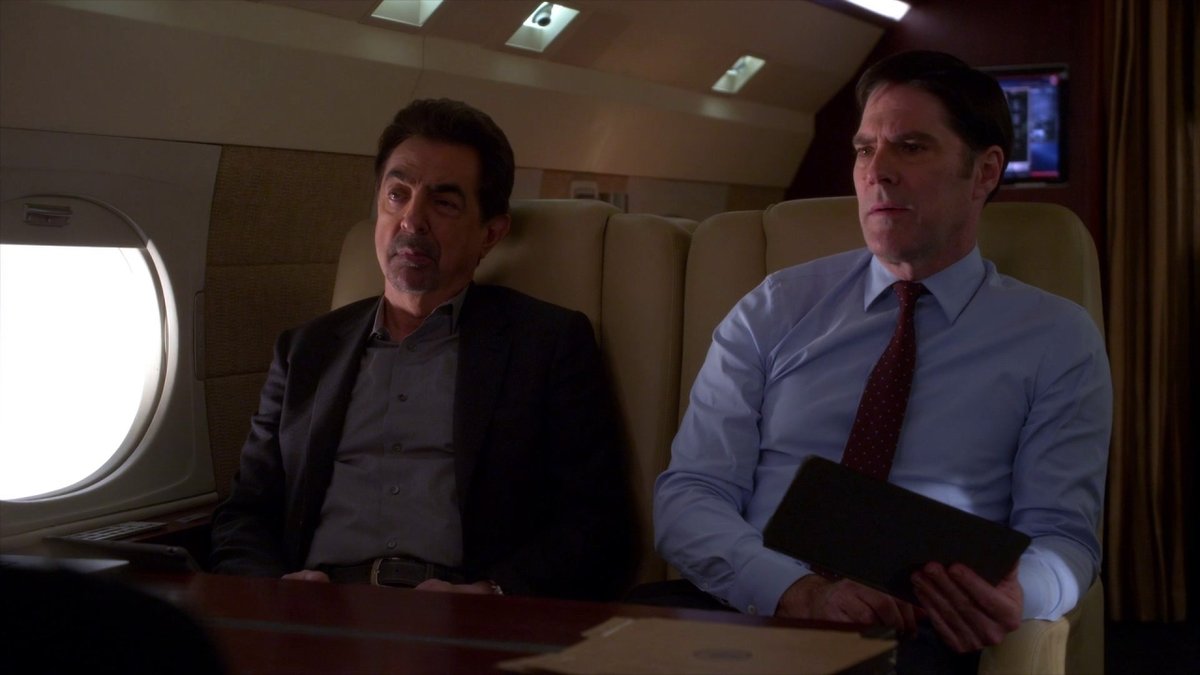
One of the show's consistent, aspirational elements was the BAU's private jet, allowing them to zip across the country at a moment's notice. It visually conveyed their elite status and urgency. However, this was pure Hollywood glamor. Former BAU agent Jim Clemente confirmed that in reality, FBI agents, including those in the BAU, fly commercial – typically coach class. This fictional perk, while practical for storytelling, was a significant deviation from the true logistics of federal law enforcement travel.
Creative Control and Network Pushback: Reid's Original Arc
Behind the scenes, creative visions sometimes clashed with network demands. Creator Jeff Davis initially planned for Dr. Spencer Reid to be bisexual, intending to explore this aspect of his character. However, this storyline was ultimately cut due to "push back from the powers that be" by the fourth episode of the first season. This reveals the kind of compromises and decisions that production teams often have to make under network scrutiny, even impacting fundamental character development. It makes you wonder how Reid's journey might have differed if this aspect had been allowed to unfold.
From Auditions to Directing: The Growth of the Cast
Many actors had to fight for their roles, and some grew into new capacities behind the camera. Matthew Gray Gubler, despite being perfectly cast as Reid, had to audition an astonishing four or five times, initially being told he wasn't right for the part. Persistence clearly paid off, shaping one of the show's most iconic characters.
As the series matured, a tradition emerged: cast members directing episodes. This practice not only showcased their multifaceted talents but also provided a deeper understanding of the show's narrative and production process from both sides of the camera. It reflected a trusting environment where actors were empowered to contribute creatively beyond their roles.
Props, Pilots, and Production Nuances
Kirsten Vangsness, the vibrant Penelope Garcia, kept a few tangible memories from her time on the show, including Garcia's nameplate and an old earpiece. These small tokens are a testament to the personal connection actors form with their characters and the environments they inhabit for years.
The show also attempted to expand its universe with two failed spinoffs: Suspect Behavior (one season, 2011) and Beyond Borders (two seasons, 2016-2017). Despite starring Academy Award-nominated actors, both were canceled due to low ratings. This illustrates the difficulty of replicating a flagship show's success and the unpredictable nature of network television.
Producer Rick Dunkle offered an interesting insight into the show's tonal management. He noted that funny plot lines were typically placed at the beginning or end of episodes to prevent tonal inconsistency. This deliberate structural choice ensured that the grim, case-driven content remained serious and impactful, allowing for moments of levity without undermining the show's core intensity.
The Weight of the Work: Coping with the Darkness
The very subject matter that made Criminal Minds so compelling���the methodical exploration of violent crime and serial killers—also exacted a significant emotional and psychological toll on its cast and crew. This burden wasn't just a hypothetical concern; it manifested in real ways, requiring deliberate coping strategies.
The Profound Impact of Dark Narratives
Mandy Patinkin's departure in Season 3 wasn't an isolated incident, but a stark illustration of the deep impact the show's content could have. His feeling that the material was "destructive" to his soul resonated with other cast members' experiences, albeit to varying degrees.
Kirsten Vangsness, despite playing the upbeat and quirky Penelope Garcia, found the show's narratives so disturbing that she reportedly avoided watching episodes. This avoidance was a personal coping mechanism, allowing her to embody her character without fully immersing herself in the grim outcomes of each case. It's a poignant reminder that even those who create the stories need distance from their darkest elements.
Lola Glaudini, who left in Season 2, even sought advice from real profilers on how to decompress from the constant exposure to violent crimes. This proactive step underscores the seriousness of the psychological challenge posed by working on a show like Criminal Minds, where the line between fiction and disturbing reality can feel incredibly thin.
Finding Laughter in the Darkness: A Necessary Release
To counteract the relentless darkness, the cast and crew often relied on humor, sometimes even dark humor, to lighten the mood on set. This could involve joking with real staff names for fictional victims or finding moments of levity in between takes. This isn't uncommon in professions that deal with intense or traumatic subject matter; humor can serve as a vital psychological release valve, allowing individuals to process difficult emotions and maintain their resilience. It's a testament to the human spirit's ability to find light even in the shadows.
These coping mechanisms highlight the hidden labor behind producing such a show. It wasn't just about memorizing lines or hitting marks; it was about navigating the very real emotional cost of consistently immersing oneself in the darkest corners of human behavior.
Unseen Details: Small Touches, Big Impact
Sometimes, the most intriguing trivia lies in the subtle choices and hidden details that enrich the viewing experience, connecting the fictional world to our own in unexpected ways.
Rossi's Unique Name Origin and Celebrity Connections
When Joe Mantegna joined Criminal Minds in Season 3, his character, David Rossi, quickly became a beloved figure. Mantegna's choice to name his character after a real-life policeman, David Rossi, who played a role in the O.J. Simpson trial, added an obscure but fascinating layer of reality to the show. This decision speaks to Mantegna's attention to detail and his desire to imbue his character with unique, almost biographical, foundations. The fact that Mantegna later became friends with the real David Rossi further blurs the lines between inspiration and reality, making the character even more special.
And then there's the Ringo Starr photo on Rossi's desk. For fans of classic rock, this was a delightful, blink-and-you'll-miss-it detail. It wasn't just a random prop; it was a personal touch from Mantegna, showcasing his real-life friendship with the iconic Beatles drummer. These small, authentic insertions made Rossi feel more like a fully fleshed-out person with a life outside the BAU, connecting the fictional world to the real experiences of its actors.
The Real Crime Behind the Credits
We've touched on this already, but it's worth reiterating the sheer audacity and impact of Criminal Minds using actual mug shots of infamous serial killers in its opening credits. Names like Ted Bundy, Jeffrey Dahmer, and John Wayne Gacy are synonymous with terror and depravity. By including their images, the show immediately established its commitment to confronting the darkest aspects of human nature, grounding its fictional narratives in the terrifying reality of true crime. This choice wasn't just for shock value; it served as a constant, sobering reminder of the very real monsters the BAU was conceptually designed to hunt. It set a tone that few other shows dared to emulate.
The Unseen Life of Props
While not a Season 3 specific fact, the detail that Kirsten Vangsness kept Garcia's nameplate and an old earpiece underscores the profound connection actors form with their roles. For years, these props were part of her daily work, tools that helped her transform into the colorful and indispensable Technical Analyst. Keeping them isn't just about souvenirs; it's about holding onto tangible pieces of a character that became a significant part of her life. It humanizes the often-glamorous world of television production, showing that for the cast, it's not just a job, but an experience that leaves lasting imprints.
Enduring Legacy and Lessons Learned
Season 3 was a challenging, transformative period for Criminal Minds, establishing precedents and revealing the intense pressures inherent in producing a show that routinely explored the darkest corners of humanity. The behind-the-scenes stories from this era and beyond offer invaluable insights into the dedication, resilience, and personal costs involved in bringing such compelling narratives to life.
For fans, understanding these facts deepens the appreciation for the performances and the intricate world-building. It reminds us that behind every intense scene and every solved case, there were real people grappling with demanding material, forging genuine connections, and sometimes, making profound personal sacrifices for their craft. The series' longevity, lasting thirteen seasons (and beyond, with the recent revival), is a testament to its enduring appeal and the powerful human stories—both on and off-screen—that sustained it through its many iterations and challenges.
Whether it was Mandy Patinkin's deeply personal decision to leave, Matthew Gray Gubler's knee injury woven into the script, or the genuine off-screen banter that sparked an iconic on-screen friendship, these behind-the-scenes moments humanize the show, making its often-inhuman subject matter all the more impactful. The legacy of Criminal Minds, particularly its pivotal third season, is not just in the crimes solved, but in the human stories that shaped its very soul.